Understanding Oral Appliance Therapy
Role of Oral Appliances
Oral appliances for sleep apnea work by pulling your jaw or tongue forward while you sleep, which opens your airway. These devices are recommended as an alternative treatment for obstructive sleep apnea (OSA), especially if a CPAP machine cannot be used. By maintaining an open airway, oral appliances help prevent the airway collapse that causes pauses in breathing during sleep.
Oral appliances fall into two main categories:
- Mandibular Advancement Devices (MADs): These work by repositioning the lower jaw forward.
- Tongue Retaining Devices (TRDs): These keep the tongue in a forward position.
Comprehensive care for sleep apnea often involves various tmj and sleep apnea combined treatments covered by insurance providers.
Selecting the Right Appliance
The most effective oral appliances for sleep apnea are custom-made to fit your mouth. Research highlights that custom-made appliances provide superior results in treating OSA compared to prefabricated devices. Selecting the right appliance is crucial for ensuring efficiency and comfort.
Types of oral appliances include:
- Custom-Made Appliances: Tailored to fit the unique shape of your mouth, these are the most efficient and comfortable.
- Prefabricated Devices: These are available off-the-shelf and are generally less effective but can serve as a temporary solution.
Comparison of Custom-Made vs. Prefabricated Devices
| Features | Custom-Made Appliances | Prefabricated Devices |
|---|---|---|
| Efficacy | High | Moderate |
| Comfort | High | Moderate |
| Fit | Personalized | Universal, less precise |
| Longevity | Long-term | Short-term |
| Initial Cost | Higher | Lower |
Choosing an in-network provider for the best results and coverage is beneficial. For instance, find an oral appliance therapy dentist accepting United Healthcare or check out the delta dental sleep apnea dentist.
It’s crucial to consult with your dental professional to determine the most suitable appliance for your needs. The selection process often involves evaluating your specific conditions and preferences to ensure maximum comfort and effectiveness.
Insurance Coverage and Reimbursement
Navigating insurance coverage for sleep apnea oral appliances can be complex. Understanding the criteria, documentation, and pre-authorization process helps ensure you maximize your benefits.
Insurance Criteria for Coverage
Insurance companies classify oral appliances as durable medical equipment (DME). This means claims are processed through medical insurance rather than dental insurance. For coverage, insurers typically require:
- A Medicare-covered sleep test, either a polysomnogram performed in a facility-based lab (Type I study) or a home-based sleep test.
- A diagnosis of Obstructive Sleep Apnea (OSA) with ICD code G47.33 from a sleep study.
Billing Codes and Documentation
Proper billing codes and detailed documentation are crucial for successful reimbursement. Commonly used codes include:
- Custom Sleep Appliance Code: E0486
- Diagnosis Code for OSA: ICD G47.33
For Durable Medical Equipment, Prosthetics, Orthotics, and Supplies (DMEPOS), suppliers must have a signed Standard Written Order (SWO) before delivery to receive payment (CMS).
Pre-Authorization Process
Pre-authorization involves getting approval from your insurer before receiving treatment. It includes:
- Submitting All Necessary Documentation: Include the diagnosis, sleep study results, and the provider’s recommendation for a custom sleep appliance.
- Knowing the Billing Code: Familiarity with the custom sleep appliance code (E0486) and diagnosis code (G47.33) ensures all paperwork is in order.
| Step | Action Required |
|---|---|
| 1 | Obtain a sleep study confirming OSA diagnosis |
| 2 | Secure a Standard Written Order (SWO) from your provider |
| 3 | Submit billing codes (E0486, G47.33) to your insurance |
By understanding these steps, you can better navigate the insurance process for your oral appliance therapy for sleep apnea with insurance. For specific insurance questions, consider looking into coverage policies from providers like MetLife Insurance TMJ Specialist, Blue Cross Blue Shield Oral Device, and United Healthcare Approved Appliance.
Types of Oral Appliances
Selecting the appropriate oral appliance for sleep apnea therapy is essential for effective treatment. Below, we examine three main types of oral appliances available: custom-made appliances, prefabricated devices, and mandibular advancement devices.
Custom-Made Appliances
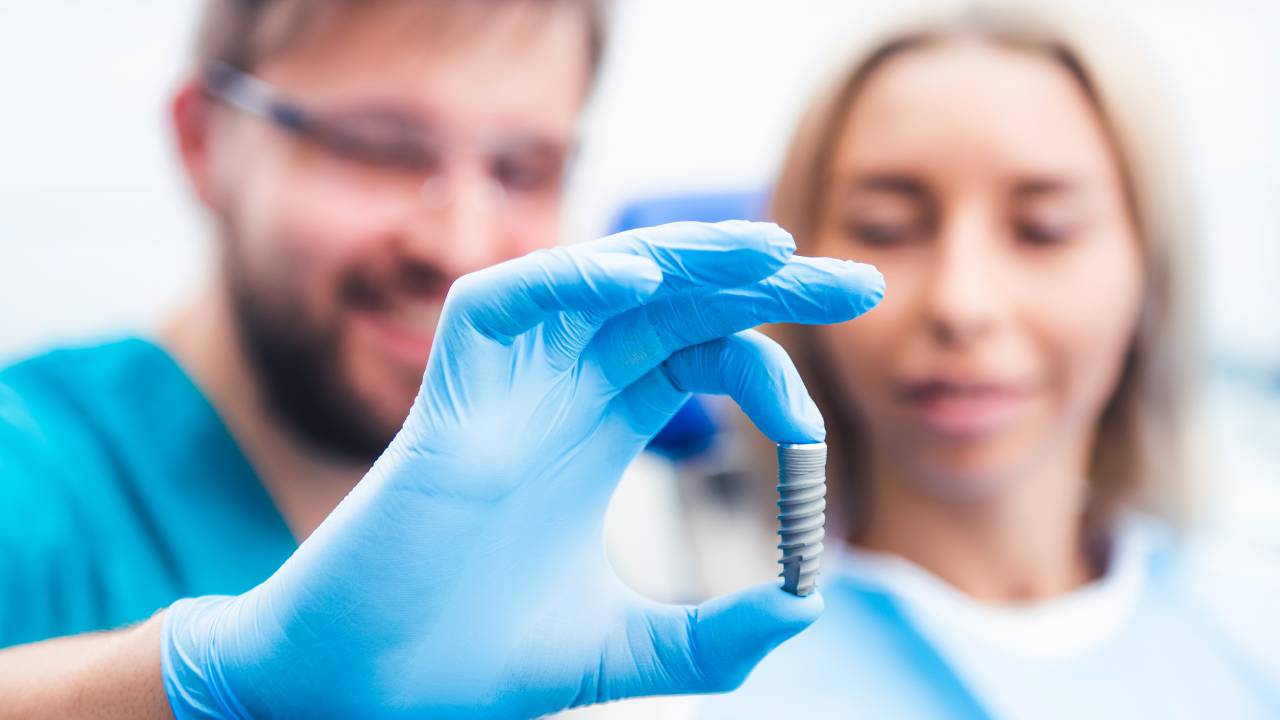
Custom-made oral appliances are tailored to fit your mouth precisely, providing comfort and effectiveness. These appliances are typically fabricated using dental impressions or digital scans of your teeth, ensuring a snug fit.
| Type | Fit Quality | Cost Range | Avg. Lifespan | Effectiveness |
|---|---|---|---|---|
| Custom-Made | High | $1,500 – $3,000 | 4-5 years | High |
| Prefabricated | Low-Medium | $50 – $200 | Short (1 year) | Low |
| Mandibular Adv. | Medium-High | $1,500 – $3,000 | 3-5 years | High |
Custom-made appliances generally provide higher patient compliance compared to CPAP machines because of their convenience and comfort. This makes them a preferred choice for those seeking an alternative to CPAP therapy.
Prefabricated Devices
Prefabricated devices are mass-produced and available over-the-counter. They are not customized for individual users, which can result in a less effective fit and reduced comfort. Due to insufficient evidence showing their effectiveness, these devices are often not considered reasonable or necessary for OSA therapy.
Prefabricated devices are more affordable initially but do not provide the same level of efficacy and durability as custom-made options. They are often not covered by insurance plans due to their low efficacy.
Mandibular Advancement Devices
Mandibular advancement devices (MADs) are designed to treat obstructive sleep apnea by repositioning the jaw forward to open the airway during sleep. They are often custom-fitted and are a popular alternative to CPAP machines.
| Device | Average Cost | Advantages |
|---|---|---|
| Mandibular Adv. Device | $1,500 – $3,000 | – Custom fit for comfort and efficacy |
| – High patient compliance | ||
| – Long-term durability |
Mandibular advancement devices are recommended when CPAP machines cannot be used, providing an effective solution for many patients.
For more information on the reimbursement process for these devices, explore our section on oral appliance therapy for sleep apnea with insurance. Additionally, check out sleep apnea oral appliance reimbursement for details on coverage and costs.
Our practice offers a range of advanced dental services, including custom night guard for TMD covered by Delta Dental and orthotic device for TMJ with insurance coverage. Contact us to schedule a consultation and explore your options.
Effectiveness of Oral Appliance Therapy
Comparison with CPAP Therapy
When considering treatments for obstructive sleep apnea (OSA), both Continuous Positive Airway Pressure (CPAP) therapy and Mandibular Advancement Devices (MADs) are effective solutions. Studies indicate that both CPAP and MAD therapy reduce the severity of OSA, although CPAP tends to achieve greater reductions (NCBI). However, the removable nature of an MAD often leads to greater perceived adherence among users compared to CPAP.
| Therapy Type | Reduction in OSA Severity | User Compliance |
|---|---|---|
| CPAP Therapy | Greater Reduction | ~50% |
| MAD Therapy | Effective but slightly less | ~90% |
Patient Compliance and Success Rates
Compliance is a critical factor in the effectiveness of any sleep apnea treatment. High compliance rates are often observed with oral appliance therapy due to comfort and convenience. More than 70% of users report a significant reduction in symptoms, with about a third achieving complete resolution of OSA (Sleep Apnea).
| Metric | MAD Therapy | CPAP Therapy |
|---|---|---|
| Compliance Rate | ~90% | ~50% |
| Significant Reduction in OSA | 70% | ~75-85% |
| Complete Resolution of OSA | 33% | Varies |
Long-Term Benefits
Oral appliance therapy offers several long-term benefits. These include improved quality of life due to better sleep, reduced risk of cardiovascular issues, and enhanced daytime alertness. The high compliance rate observed with MAD therapy translates to sustained benefits over longer periods, making it a practical option for many OSA sufferers.
Given the focus on premium dental care, affluent individuals in Huntersville can benefit from this modern, minimally invasive approach. For more details, visit our oral appliance therapy for sleep apnea with insurance page for information about coverage, or explore our related articles:
- custom sleep apnea mouthpiece with insurance
- in-network sleep apnea oral therapy dentist
- aetna-approved sleep apnea dental solutions
These internal resources can provide further insight into selecting the best treatment modalities and understanding reimbursement processes for your specific needs.
Patient Selection and Treatment Process
For those seeking effective treatment for sleep apnea, oral appliances can be a beneficial solution. This section outlines the essential steps in selecting and managing patients who may benefit from these devices.
Identifying Suitable Candidates
Identifying the right candidates for oral appliance therapy is crucial. Typically, patients with mild to moderate obstructive sleep apnea (OSA) benefit the most from these devices. Indicators that you might be a suitable candidate include:
- Difficulty tolerating CPAP therapy.
- Mild to moderate OSA as diagnosed through a sleep study.
- Absence of severe dental issues or temporomandibular joint (TMJ) disorders.
Patients should consult an in-network sleep apnea oral therapy dentist to determine if an oral appliance is a viable option.
Initial Adjustment Period
Adapting to an oral appliance can take time. Studies show that it typically takes about 2 to 4 weeks to get used to wearing such a device. During this period, you may experience:
- Increased saliva production.
- Dry lips or mouth.
- Minor discomfort or soreness.
These side effects generally improve with time. Adjustments may be needed to ensure comfort and effectiveness. For more insights on managing these issues, see our article on tmj bite guard covered by insurance.
Monitoring and Follow-Up
Regular check-ups are essential to ensure the long-term effectiveness and comfort of your oral appliance. Monitoring includes:
- Periodic dental visits to adjust the appliance if needed.
- Dentists will check for any side effects such as tooth movement or jaw discomfort.
- Follow-up visits generally occur within 90 days of the initial fitting (Cleveland Clinic).
After this initial period, any adjustments or modifications might not be covered by DME benefits (CMS). However, follow-up visits can often be billed using a medical office visit code.
By closely monitoring and adjusting the treatment, you can maximize the benefits of your oral appliance and enhance your overall health. For related services, consult a metlife insurance tmj specialist or an in-network tmj dentist for jaw pain.
Cost Considerations and Billing Strategies
Total Cost of Oral Appliances
The total cost of an oral appliance typically ranges from $1,500 to $2,500. This includes the custom fitting, the device itself, and follow-up appointments.
| Cost Element | Amount ($) |
|---|---|
| Custom Fitting | $500 – $700 |
| Device | $600 – $1,200 |
| Follow-up Appointments | $400 – $600 |
Insurance Coverage Details
Many insurance plans, including Medicare, cover oral appliances when prescribed by a doctor and fitted by a qualified dentist. Coverage often requires a formal diagnosis of obstructive sleep apnea through a sleep study (Sleep Apnea).
Insurers classify oral appliances as durable medical equipment (DME). This means claims are processed through medical insurance rather than dental insurance, affecting billing codes and prescription providers (Dr. Eugene Azuma).
For about 70% of people with obstructive sleep apnea (OSA), mandibular advancement device (MAD) therapy can reduce the severity of their condition by more than half. A third of these individuals experience complete resolution of their OSA symptoms (Sleep Apnea).
Billing Methods for Clinicians
Dentists treating patients for sleep-related breathing disorders should develop a case fee that’s both affordable for patients and profitable for clinicians. Most dentists charge an all-inclusive fee in the range of $1,800 to $3,200, adjusting for factors like lab bill costs and number of patient visits (Glidewell Dental).
| Cost Element | Amount ($) |
|---|---|
| Case Fee Range | $1,800 – $3,200 |
| Lab Bill Costs | Variable |
| Number of Visits | Variable |
For those in Huntersville, NC, seeking a premium dental practice for sleep apnea treatments, you can find a wide range of advanced services, including comprehensive care for both TMJ disorders and sleep apnea. Visit our internal links for more details on specific insurance coverages:
- tmj disorder treatment covered by aetna
- does insurance cover tmj therapy
- oral appliance therapy for sleep apnea with insurance
- blue cross oral device for sleep apnea treatment
For additional information on sleep apnea and TMJ treatments, please visit our other articles and guides.