Benefits of Oral Appliance Therapy
Advantages Over CPAP
When considering treatment options for sleep apnea, many individuals find themselves weighing the benefits of an oral appliance instead of CPAP. Oral appliance therapy offers several advantages that make it an appealing choice for patients diagnosed with mild to moderate sleep apnea.
- Portability: Oral appliances are compact and easy to travel with, unlike the bulkier CPAP machines.
- Noise Reduction: Unlike CPAP machines, which can produce noise, oral appliances are silent, allowing for a more peaceful sleep environment.
- Ease of Use: Many find it easier to use an oral appliance than to set up and maintain a CPAP machine, which requires regular cleaning and proper airflow adjustments.
- Less Invasive: Oral appliances do not involve the use of masks and hoses, making them a comfortable alternative that avoids facial irritation and discomfort.
- Custom Fit: A dentist can create a personalized oral appliance that fits your mouth perfectly, enhancing comfort and effectiveness [1].
These factors contribute to a higher likelihood of compliance with therapy. If you are exploring dental solutions, consult with a sleep apnea dentist to assess your suitability for this treatment option.
Comfort and Compliance
Comfort and adherence are critical components of successful sleep apnea treatment. Oral appliances generally offer increased comfort compared to traditional CPAP machines, which can lead to higher compliance rates.
| Factor | Oral Appliance | CPAP Machine |
|---|---|---|
| Comfort | High | Varies (may cause irritation) |
| Portability | Excellent | Bulky |
| Noise Level | Silent | Audible |
| User Input | Simple | Technical setup |
Patients often report feeling more at ease when using oral appliances. This increase in comfort can lead to more consistent nightly use. Studies indicate that the level of comfort significantly influences adherence to the treatment plan; thus, the less cumbersome nature of oral appliances can lead to better health outcomes [2].
If you are seeking an alternative to CPAP for sleep apnea, consider learning more about oral appliance therapy for a tailored approach to your health needs. Explore options with your dentist or dental sleep specialist to find a solution that enhances your comfort and overall sleep quality.
Types of Oral Appliances
Oral appliances can be an effective alternative to CPAP for individuals with mild to moderate sleep apnea. These devices work by adjusting the position of the jaw or tongue to open your airway, facilitating easier breathing during sleep. There are two main types of oral appliances: mandibular advancement devices and tongue-stabilizing devices.
Mandibular Advancement Devices
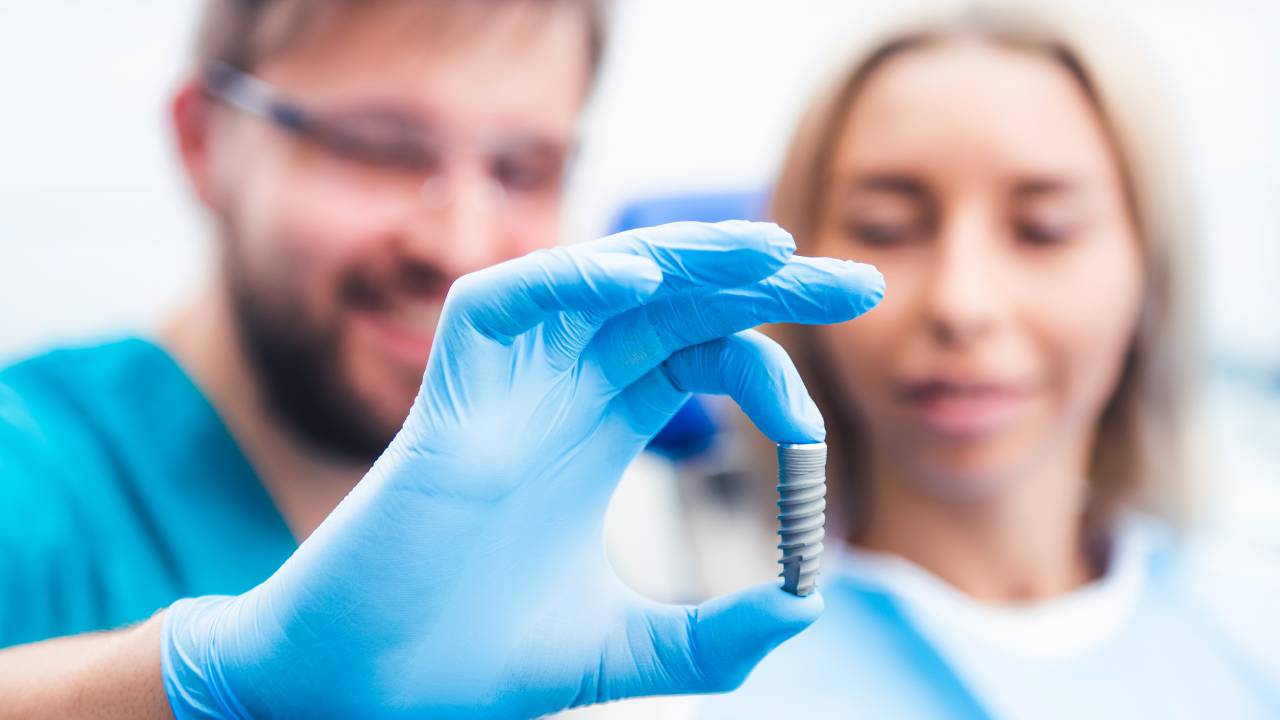
Mandibular advancement devices (MADs) are among the most commonly prescribed oral appliances for treating obstructive sleep apnea. These devices work by pulling the lower jaw forward, which creates more space for airflow in the back of the throat. This adjustment can help reduce or eliminate snoring and improve overall sleep quality. Some models even feature independent interchangeable arches, allowing for a customized fit [1].
| Feature | Mandibular Advancement Devices |
|---|---|
| Functionality | Pulls lower jaw forward to open airway |
| Customization | Some models have interchangeable arches |
| Common Use | Most popular choice for sleep apnea treatment |
MADs are typically custom-fitted by a dental professional, ensuring optimal comfort and efficiency. For assistance in identifying suitable MAD options, consult with a sleep apnea dentist.
Tongue-Stabilizing Devices
Tongue-stabilizing devices (TSDs) offer an alternative for individuals who either cannot use MADs or prefer a different approach. These devices utilize suction to pull the tongue forward, thereby preventing it from collapsing backward and blocking the airway during sleep. Although TSDs are less popular than MADs, they can be beneficial for individuals with specific dental conditions or weaker teeth [1].
| Feature | Tongue-Stabilizing Devices |
|---|---|
| Functionality | Pulls tongue forward using suction |
| Customization | Available over the counter |
| Common Use | Alternative for those unable to use MADs |
TSDs can often be found as over-the-counter options, making them accessible for individuals seeking immediate solutions. However, consulting a dentist for sleep apnea therapy is advisable for proper guidance and support in selecting and using these devices effectively.
Both types of oral appliances can significantly improve your sleep quality, making them worthwhile options to consider as an oral appliance instead of CPAP. For more information on oral appliance therapy, explore oral appliance therapy for sleep apnea or reach out to a sleep apnea mouth guard dentist for personalized recommendations.
Effectiveness of Oral Appliances
Oral appliances can be an effective alternative to CPAP for treating sleep apnea, particularly in individuals with mild to moderate cases. This section will discuss how these devices help manage sleep apnea symptoms and reduce apnea episodes.
Treating Mild to Moderate Sleep Apnea
Oral appliance therapy has gained recognition as a preferred treatment option for individuals with mild to moderate obstructive sleep apnea (OSA) due to its comfort and ease of use. These devices work by repositioning the jaw and tongue to create more space at the back of the throat, thus improving airflow during sleep [1].
Research indicates that custom-made oral appliances significantly enhance treatment outcomes for obstructive sleep apnea compared to over-the-counter options. While “boil and bite” models may provide some benefits, they do not match the efficacy of custom-made devices, which are tailored to individual needs. By wearing an oral appliance, users can experience substantial improvements in their sleep quality and daytime alertness.
| Appliance Type | Efficacy Rating |
|---|---|
| Custom oral appliance | High |
| “Boil and bite” oral appliance | Moderate |
Reduction in Apnea Episodes
One of the significant advantages of oral appliances is their effectiveness in reducing the frequency of apnea episodes. Studies show that these devices can effectively decrease the number of obstructive sleep apnea events, allowing for improved oxygen flow during sleep without the forced airflow associated with CPAP therapy. According to research, many users report experiencing fewer interruptions during their sleep, leading to enhanced overall well-being and daytime performance [3].
The reduction in apnea episodes contributes not only to improved sleep quality but also to the potential for better cardiovascular health. By alleviating the complications associated with sleep apnea, oral appliances serve as a valuable tool in the management of this condition.
| Improvement Metrics | Before Treatment | After Treatment |
|---|---|---|
| Apnea Episodes per Hour | 15-25 (average) | 5-10 (average) |
| Oxygen Desaturation Events | 20+ (average) | 2-5 (average) |
For those considering an oral appliance instead of CPAP, consulting with a sleep apnea dentist can provide tailored solutions that meet your clinical needs.
Custom vs. Over-the-Counter Devices
Choosing between custom-made and over-the-counter oral appliances is essential for effectively managing your sleep apnea. Understanding the importance of customization and comparing efficacy can help you make an informed decision regarding your treatment.
Importance of Customization
Custom-made oral appliances are designed specifically for your mouth. They take into account your unique dental structure, bite, and jaw position. This personalization is crucial because it ensures that the device provides optimal comfort and effectiveness in treating obstructive sleep apnea. Research shows that custom-made devices are the most effective for this condition, delivering superior results in comparison to generic, over-the-counter models like “boil and bite” options [1].
Many individuals seeking oral appliance therapy should consult a dental professional to obtain a custom-made appliance. High-quality dental materials are typically used in these devices, allowing them to last an average of three years, thereby offering better long-term value [4].
Efficacy Comparison
When evaluating the efficacy of custom-made devices versus over-the-counter alternatives, it is essential to consider several factors. The table below summarizes key points regarding the effectiveness of these two options for managing sleep apnea.
| Feature | Custom-Made Oral Appliances | Over-the-Counter Oral Appliances |
|---|---|---|
| Fit | Tailored to individual anatomy | One-size-fits-all or “boil and bite” |
| Comfort | High due to precise fitting | Variable; may cause discomfort |
| Efficacy | High; best results for treating obstructive sleep apnea | Lower; may not effectively manage symptoms |
| Longevity | Lasts on average 3 years, made from high-quality materials | Generally lower durability |
| Consultation Necessary | Yes; requires a dental professional’s assessment | No; available for purchase without a prescription |
Although over-the-counter devices can provide some benefits, they often lack the effectiveness of their custom-made counterparts. If you are exploring oral appliance instead of CPAP options, it’s crucial to invest in a customized solution. Visiting a sleep apnea dentist for your treatment can ensure you obtain a device tailored to your specific needs, ultimately leading to improved health outcomes and sleep quality.
Considerations for Oral Appliance Therapy
Choosing an oral appliance instead of CPAP for sleep apnea is a significant decision that comes with various considerations. Understanding the adjustment period and potential side effects can aid in your preparation for using these devices effectively.
Adjustment Period
When you begin using an oral appliance, it’s common to undergo an adjustment period typically lasting about two to four weeks. During this time, your mouth and jaws are adapting to the new appliance, which may lead to some discomfort. You might experience symptoms such as excessive saliva, dry mouth, or tooth discomfort. However, these side effects usually subside with proper usage [1].
Potential Side Effects
While oral appliances are generally a great alternative for managing sleep apnea, they can also induce some potential side effects. Common issues include:
| Side Effect | Description |
|---|---|
| Tooth Discomfort | Initial discomfort may occur as teeth adjust. |
| Jaw Pain | Some users report evening jaw pain. |
| Changes in Bite | Shifts in teeth can lead to gaps or malocclusion. |
| Ear Sensation | Users may experience sensations in the ears, including ringing. |
| Morning Tiredness | Feeling tired in the morning can sometimes occur. |
These side effects can be particularly noticeable after you make adjustments to the device. It’s essential to consult with your dentist for sleep apnea therapy if these effects persist or cause significant discomfort.
With an understanding of the adjustment period and potential side effects, you can make a more informed choice about oral appliance therapy and explore the benefits of using a custom mouthpiece for sleep apnea. Using dental solutions for sleep apnea can provide you with a safer and more comfortable way to manage your condition.
Patient-Centered Approach
A patient-centered approach is essential in addressing sleep apnea treatment, especially for patients considering an oral appliance instead of CPAP. This approach emphasizes informed decision-making and focuses on the patient’s preferences, promoting adherence and improving health outcomes.
Informed Decision-Making
Informed decision-making is a key component of a successful treatment plan. Engaging you in the decision-making process allows you to weigh the benefits and drawbacks of various treatment options, including CPAP and oral appliances. Research suggests that this patient-centered approach enhances adherence to therapy, leading to better health outcomes [2].
Decision aids can play a crucial role here. These tools provide clear, comprehensive information about the different treatment modalities, helping you understand the specifics of each option. Whether you lean towards a mandibular advancement device for sleep apnea or another form of oral appliance, understanding both the advantages and potential downsides is vital.
| Treatment Option | Description | Pros | Cons |
|---|---|---|---|
| CPAP | Delivers continuous airflow to keep the airway open | Effective for severe OSA | May cause discomfort, noise |
| Oral Appliance | Positions the lower jaw to keep airway open | More comfortable, portable | May not be suitable for severe cases |
Adherence and Health Outcomes
Adherence to prescribed therapy significantly influences overall health outcomes for individuals with obstructive sleep apnea (OSA). Non-adherence to CPAP often results from factors such as discomfort and noise, which can lead to untreated OSA. Untreated conditions have been associated with increased risks of serious health issues, including strokes, heart attacks, and reduced work performance [2].
By engaging you in the decision-making process and providing tailored education on treatment options, healthcare providers can improve adherence to therapy. Various studies indicate that patients who feel informed and involved in their treatment choices are more likely to follow through effectively. This commitment leads not only to a better night’s sleep but also to enhanced overall well-being.
If you’re considering a custom mouthpiece for sleep apnea or other non-invasive dental solutions, remember that a collaborative approach with your dentist can yield the best results. Explore your options with a dentist that treats sleep apnea for personalized advice and treatment strategies.