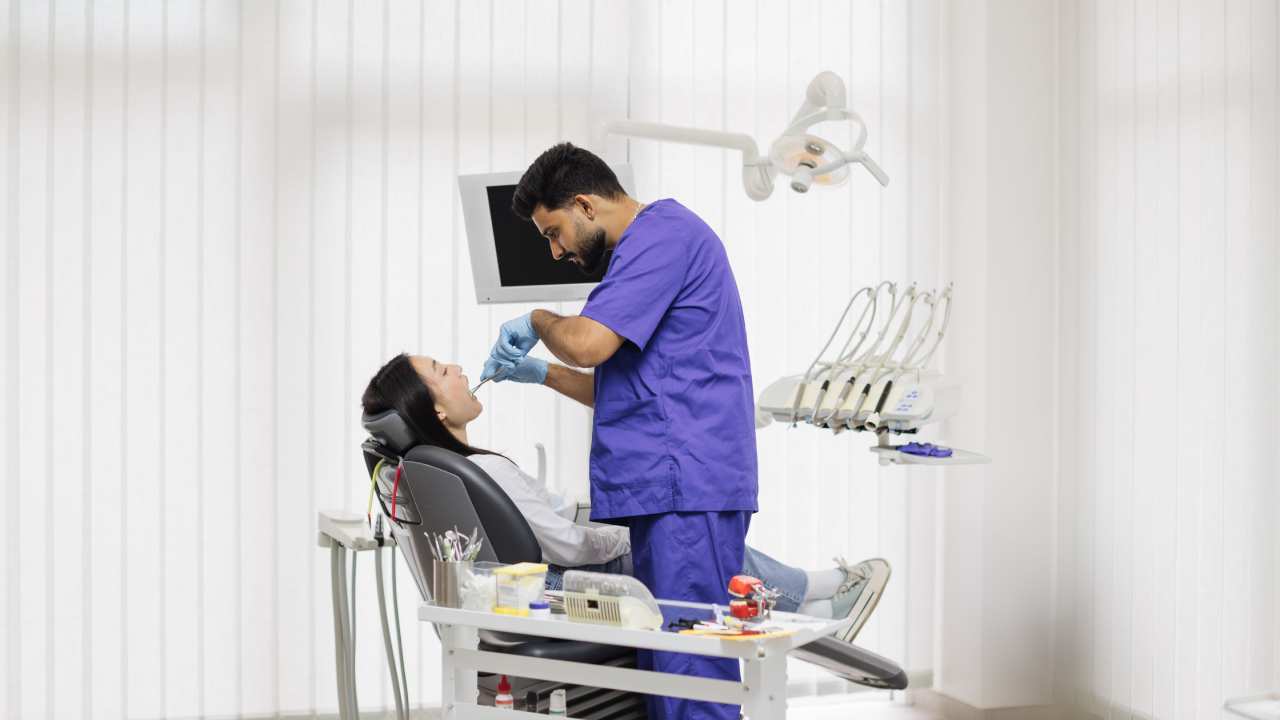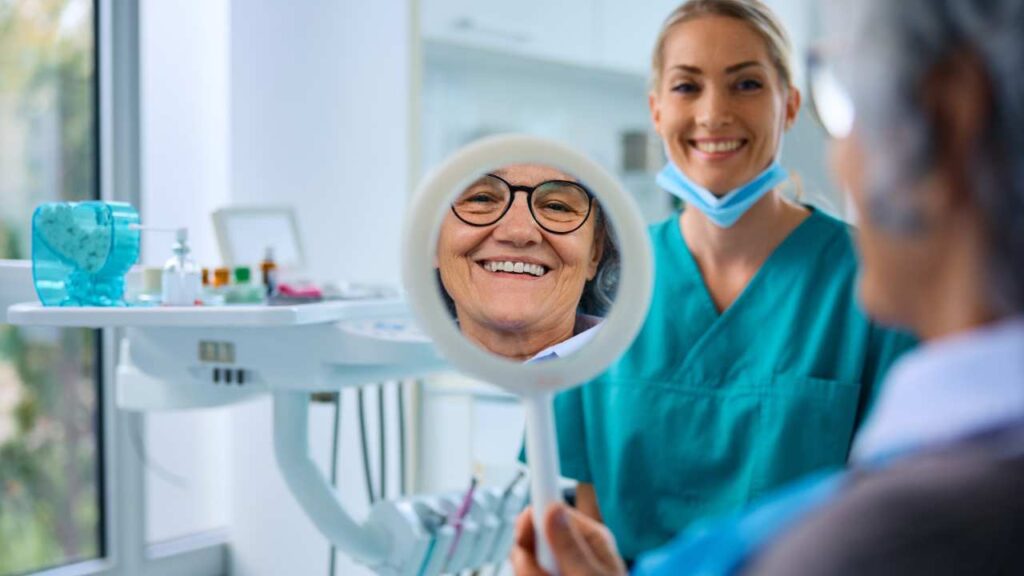
Laser gum contouring offers a precise, minimally invasive way to reshape your gum line and enhance your smile quickly. If you’ve felt self-conscious about a “gummy smile” or uneven gum tissue, this procedure—also known as gingival sculpting or gum reshaping—can help expose more of your teeth for a balanced, confident look. Performed by a trained dentist or periodontist, laser gum contouring uses a soft-tissue laser to remove excess tissue while cauterizing as it goes, reducing bleeding and discomfort compared to traditional scalpel methods. To find an experienced practitioner near you, consider consulting a gum contouring cosmetic dentist.
Understanding laser gum contouring
Defining the procedure
Laser gum contouring involves using a dental laser to remove and reshape excess gum tissue, improving the appearance of teeth that look too short or are partially hidden. According to the Cleveland Clinic, periodontists typically administer local anesthesia to numb the area and may offer sedation options for added comfort. As the laser vaporizes unwanted tissue, it also seals blood vessels, which minimizes bleeding and promotes a faster, smoother recovery.
Who is a candidate?
You may be a good candidate for laser gum contouring if:
- You have a healthy mouth with no untreated cavities or active gum disease
- You feel your smile shows too much gum tissue or your teeth look uneven
- You’re seeking a permanent cosmetic solution rather than temporary fillers
- Your bone structure supports tissue removal without risk of regrowth [1]
A thorough evaluation, including photographs and measurements of your gum-to-tooth ratio, lip line, and facial bone structure, helps ensure predictable results.
Exploring contouring benefits
Enhanced smile symmetry
By precisely sculpting your gum line, laser contouring balances the height and shape of each tooth for a harmonious smile. That symmetry can make your front teeth appear longer and more proportionate, boosting both aesthetics and self-confidence.
Faster recovery times
Thanks to the laser’s cauterizing action, laser gum contouring generally causes minimal bleeding and discomfort. Most patients resume normal activities within 24 to 48 hours, compared to longer downtime with traditional scalpel surgery [2].
Improved oral hygiene
Excess gum tissue can create pockets where bacteria accumulate, raising your risk of gum disease. Removing those pockets helps you brush and floss more effectively, contributing to better long-term gum health.
Detailing treatment process
Initial consultation and planning
Before your procedure, your provider will:
- Perform a comprehensive oral exam and imaging
- Capture digital photographs to map the ideal gum line
- Measure gum-to-tooth ratios, lip position, and facial bone contours
- Discuss sedation options and create a personalized treatment plan [1]
This planning ensures precise results and minimizes the chance of tissue regrowth.
Procedure step by step
Administering anesthesia
Your gums are numbed with a local anesthetic, and you can opt for light sedation if you prefer to relax throughout the treatment.
Laser reshaping of gums
Using a soft-tissue laser, your provider carefully trims away excess gum tissue. The laser simultaneously cauterizes, sealing blood vessels and reducing post-op swelling and bleeding [3].
Post-procedure care
Once sculpting is complete, gauze may be placed to manage any minor oozing. Your provider will review at-home instructions for oral hygiene and diet.
Typical procedure duration
Most laser gum contouring sessions last between one and two hours, depending on the number of teeth treated and whether sedation is administered [1]. You’ll be able to head home the same day.
Managing recovery effectively
Immediate post-op care
On Day 1, you can expect mild swelling and minor discomfort. To manage symptoms:
- Apply cold compresses intermittently for the first 24 hours
- Take over-the-counter pain relievers as directed
- Consume soft, cool foods such as yogurt, smoothies, and mashed potatoes [4]
Diet and hygiene tips
From Day 2 onward:
- Brush gently with a soft-bristled toothbrush
- Rinse twice daily with an antiseptic mouthwash or warm saltwater
- Avoid hard, crunchy, or spicy foods that may irritate healing gums
When to return to regular activities
Most patients return to work or school within one to two days. Swelling typically subsides within a week, and full gum healing takes up to three weeks. Your provider may schedule a follow-up after 8 to 12 weeks to assess if any touch-ups are needed [1].
Comparing traditional vs laser
Traditional gum contouring overview
Traditional contouring uses scalpels and sutures to remove excess tissue. While effective, it often involves more bleeding, greater discomfort, and longer chair time to place stitches.
Laser advantages over scalpel
Laser contouring surpasses traditional methods with:
- Enhanced precision targeting only excess tissue
- Reduced bleeding thanks to simultaneous cauterization
- Elimination of sutures
- Faster, more comfortable recovery [5]
Long-term outcome comparison
Both methods deliver permanent gum reduction when performed correctly. However, laser technology lowers infection risk and often yields smoother contours that align with your smile design.
| Feature | Traditional surgery | Laser contouring |
|---|---|---|
| Precision | Moderate | High |
| Bleeding | Moderate to heavy | Minimal (cauterizing effect) |
| Sutures | Required | Not required |
| Discomfort | Higher | Lower |
| Recovery time | Multiple days | 1–2 days |
| Infection risk | Moderate | Lower |
Combining with other treatments
Whitening and contouring
After your gums heal, consider professional whitening to amplify your new gum line. Pairing treatments can be booked as a whitening & veneers package or scheduled separately with your dental team.
Veneers and gingival sculpting
To fully transform your smile, you might add porcelain veneers for front teeth. Combining porcelain veneer placement with laser contouring ensures your teeth and gums are in perfect harmony.
Bonding plus contouring
If you have minor chips or gaps, dental bonding can fill imperfections. Discuss dental bonding service huntervile or customized veneers & bonding services to achieve smooth transitions between tooth and gum.
Smile makeover planning
For a comprehensive overhaul, your smile design consultation can integrate whitening, contouring, veneers, and even crowns. Ask about a digital smile makeover nc or cosmetic smile makeover nc for a complete roadmap to the smile you’ve always wanted.
Selecting the right provider
Qualities of a specialist
When choosing a practitioner, look for:
- Board certification in periodontics or cosmetic dentistry
- Advanced laser training and credentials
- Before-and-after galleries of previous contouring cases
- Positive patient reviews and testimonials
Questions to ask during consultation
- What type of laser do you use and why?
- How many gum contouring procedures have you performed?
- Can I see before-and-after photos of patients with similar smiles?
- What post-op support and follow-up do you offer?
Financing and insurance considerations
Laser gum contouring is often considered cosmetic and may not be covered by insurance. Many practices offer payment plans or financing. Inquire at your chosen cosmetic dental clinic huntersville or confidence smile dentistry about options to fit your budget.
Conclusion
Laser gum contouring can transform your smile swiftly, delivering a balanced, symmetrical gum line with minimal discomfort and downtime. By pairing this procedure with whitening, veneers, or bonding, you can achieve a complete smile makeover tailored to your goals. To explore which combination of treatments is right for you, schedule a smile design consultation and take the first step toward the confident, radiant smile you deserve.