Understand bleeding gum emergency care
If you are experiencing bleeding gums, it can feel both alarming and uncomfortable. Bleeding gum emergency care is a need that arises when simple at-home remedies fail to resolve the issue, or when you suspect an underlying condition that demands professional attention. By recognizing the warning signs early, you can avoid worsening complications, such as gum disease or infections, and maintain better long-term oral health.
Whether you struggle with tender gums that bleed when you brush or persistent soreness that lasts for weeks, seeking clarity on what’s going on is crucial. Your gums are essential for supporting your teeth, and when they show symptoms of inflammation or bleeding, it’s a signal you shouldn’t ignore. According to research from the Cleveland Clinic, gums that bleed for more than two weeks are often a sign of deeper concerns, such as gum disease, vitamin deficiencies, or other health issues (Cleveland Clinic). Addressing these early can protect not only your oral health but also your overall well-being.
At Reimels Dentistry, we understand how vulnerable you might feel when you notice bleeding gums. Our goal is to offer you the support necessary for lasting recovery, combining empathy with authoritative expertise. When you’re in need of bleeding gum emergency care, we encourage you to take proactive steps, stay informed, and seek personalized dental services that help you address the root of the problem.
In the information that follows, you’ll discover possible causes, home remedies, and reasons to consult a professional. You’ll also learn why you or a loved one should choose Reimels Dentistry for comprehensive care, covering everything from preventive services to restorative treatments.
Recognize potential causes
Understanding the root reasons behind bleeding gums is a significant first step. Once you pinpoint what’s sparking the issue, you can follow focused strategies to alleviate it and prevent it from returning. Below are some common causes, based on reputable research:
- Vitamin deficiencies
A lack of vitamin C or K can make your gums more susceptible to bleeding (Cleveland Clinic). If you rarely consume fruits and vegetables or if you follow a diet low in these nutrients, you might experience gum bleeding more frequently. Proper nutrition can have a positive impact on your gum health, so consider increasing your intake of vitamin-rich foods or discuss supplementation with your healthcare provider. - Gum disease
Plaque buildup is one of the primary culprits of gingivitis and periodontitis. Gingivitis, the earliest stage of gum disease, is often characterized by red, swollen, and bleeding gums (Larwin Square Dentistry). Over time, untreated gingivitis can progress into periodontitis, causing more damage to the supporting structures of your teeth. Persistent gum disease has been linked to broader health complications, including heart disease, stroke, and diabetes (WebMD). - Hormonal fluctuations
Pregnancy gingivitis results from hormonal changes that make your gums prone to inflammation. This condition typically resolves after childbirth, but you still need to stay vigilant with dental hygiene during pregnancy (Larwin Square Dentistry). This applies to any stage of life where hormones are in flux, such as puberty or menopause. - Excessive or improper brushing
If you’re using a hard-bristle toothbrush or applying too much force, you can irritate your gums and cause them to bleed. Switching to a soft-bristle toothbrush and practicing gentle circular motions will often prevent further injury to your delicate gum tissue. - Smoking and stress
Smoking decreases blood flow to your gums, weakening your immune system and increasing your susceptibility to gum infections (Larwin Square Dentistry). Chronic stress similarly heightens inflammation in your body and can compromise your immune response, both of which may worsen gum health. - Inadequate oral hygiene
Skipping regular brushing and flossing, or failing to visit your dentist for checkups, can rapidly accelerate plaque and tartar accumulation. This often leads to gum irritation and bleeding.
Below is a simplified table summarizing some common causes of bleeding gums:
| Cause | Description | Potential Outcome |
|---|---|---|
| Vitamin Deficiencies | Low vitamin C or K intake | Weaker gum tissue, frequent bleeding |
| Gum Disease (Gingivitis) | Plaque buildup and inflammation | Progression to periodontitis |
| Hormonal Fluctuations | Pregnancy or other hormonal changes | Temporary or recurring gum bleeding |
| Improper Brushing | Harsh technique or hard-bristle toothbrush | Gum irritation, soreness |
| Smoking & Stress | Weakened immune response, reduced blood flow | Increased infection risk |
| Inadequate Hygiene | Infrequent brushing, flossing, dental checkups | Tartar buildup, progressing gum disease |
Recognizing these triggers enables you to adjust your habits, pay closer attention to your oral care routine, and reach out to a dental professional if the issue persists. When you bridge awareness with timely treatments, you help safeguard your gums from potential complications.
Identify warning signs
Often, bleeding gums are just one among multiple indicators of an emerging problem. If you notice the following signs along with your gum bleeding, you should consider urgent evaluation:
- Persistent or worsening pain: Occasional gum soreness may be normal, but ongoing discomfort signals that something deeper may be happening.
- Bright red, swollen gums: Inflamed gums often accompany consistent bleeding, suggesting gingivitis or another form of periodontal trouble.
- Loose or shifting teeth: This can mean that gum disease has advanced far enough to affect your tooth support structure.
- Chronic bad breath: Persistent malaise in your mouth often coincides with plaque buildup and gum disease.
- Bleeding beyond two weeks: The Cleveland Clinic emphasizes that gums bleeding longer than two weeks should prompt consultation with a professional (Cleveland Clinic).
If any of these warning signs appear, especially in combination, you are likely in need of professional help or bleeding gum emergency care. Quick intervention can save you from expensive or extensive procedures down the line.
Take immediate steps at home
Before you can visit a dental office, you’ll want to manage the issue temporarily to get some relief and prevent it from worsening. These at-home actions do not replace a professional evaluation, but they can mitigate immediate symptoms.
- Gently rinse with saltwater
A saltwater rinse is a classic remedy to reduce bacteria, freshen your breath, and calm inflamed gums. The recommended ratio is one teaspoon of salt dissolved in half a cup of warm water. Swish for 15 to 30 seconds and spit out. This approach helps soothe your gums and lessen bleeding (Countryside Dental). - Brush with care
Aim to brush at least twice a day using a soft-bristle toothbrush. Apply minimal pressure in gentle, circular motions. Overly aggressive brushing can damage gum tissue, so remain mindful of your technique to avoid further irritation. - Floss correctly
Flossing helps remove plaque and food particles hidden between your teeth. However, using too much force or sawing the floss back and forth can cut your gums. Slide the floss gently up and down the sides of each tooth, taking special care around inflamed areas. - Consider antimicrobial rinses
Options like tea tree oil rinses or specialized over-the-counter products can assist in reducing inflammation and protecting gum tissue from infection (Countryside Dental). If you choose a tea tree oil rinse, limit it to just a few drops of pure tea tree oil in warm water. - Examine vitamin intake
If you suspect diet deficiencies, adding vitamin C-rich foods, such as citrus fruits, and vitamin K-rich foods, like spinach or kale, might be beneficial. It can strengthen your gums and support healing.
These interim measures are great first steps, but if you find yourself repeatedly needing them, or if the bleeding fails to subside after two weeks, you should contact a dental professional. Gum disease, if allowed to progress, can lead to further gum recession, infection, and even tooth loss.
Seek professional dental help
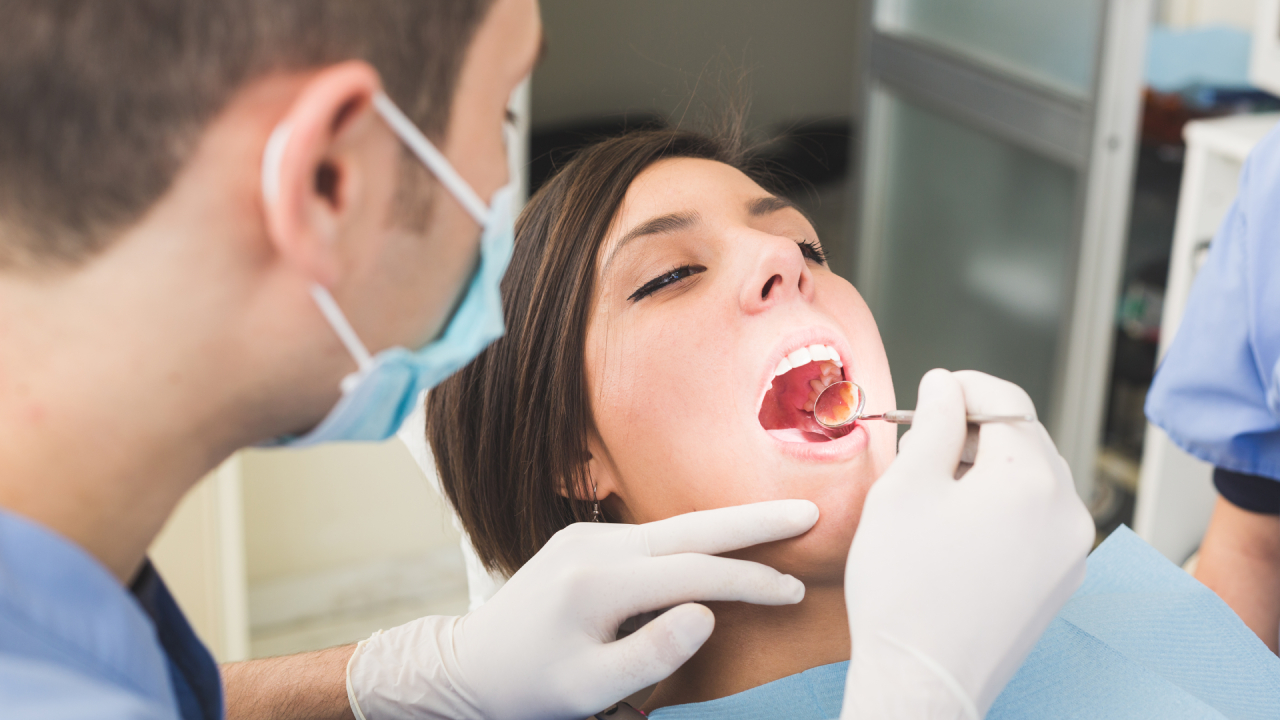
When self-care remedies don’t provide relief, or if you see signs suggesting more advanced problems, it’s time to reach out. A professional evaluation can help you determine whether you need bleeding gum emergency care. Your dentist will likely do the following:
- Perform a thorough examination to identify underlying causes and rule out severe conditions like advanced periodontitis.
- Schedule a professional cleaning or a professional teeth cleaning procedure to remove plaque and tartar buildup that regular brushing cannot address.
- Recommend gum therapy such as a specialized gum disease treatment, which may include deep cleaning, scaling, and root planing to eliminate bacteria below the gumline.
- Suggest restorative treatments if there is significant damage. This could involve root canal therapy if infection is inside the tooth or a tooth extraction if the tooth is beyond saving.
- Conduct nutritional or medical evaluations if evidence suggests underlying deficiencies or systemic health issues. In some cases, your dentist might refer you to a primary care physician for further investigation.
By taking timely action, you limit the extent of possible complications. In many cases, early gum disease can be reversed with consistent care and targeted therapies. The key is to follow your dentist’s instructions carefully and adopt healthier, more thorough hygiene habits at home.
Why choose Reimels Dentistry for your care
When you or a loved one experiences gum bleeding, it’s natural to feel unsure about which dental provider to turn to. Reimels Dentistry stands out for its empathetic environment, highly skilled team, and broad range of services that cater to your entire family’s needs. Our approach has always been to empower you with knowledge and personalize your treatment plan. Below are the standout features that highlight why you should rely on us for preventive, restorative, and cosmetic dental care:
Comprehensive care approach
We focus on the entire scope of your oral health, from early prevention to more complex restorative procedures. If you’re dealing with gum inflammation, we can customize an approach that might include:
- Professional teeth cleaning to eliminate plaque buildup.
- Fluoride treatment to strengthen tooth enamel.
- Oral cancer screening to ensure your gums and oral tissues remain in optimal condition.
- Gum disease treatment for more advanced cases of gingivitis or periodontitis.
Range of preventive services
Beyond addressing immediate concerns like gum bleeding, preventive care plays a major role in your long-term oral health. We offer:
- Regular checkups and hygiene visits.
- Digital imaging, including digital xray imaging and 3d cone beam imaging, to keep tabs on subtle changes in your jaw and teeth.
- Intraoral camera examination to reveal problems that might escape the naked eye.
These services combine to give you a thorough picture of your oral health, ultimately helping us catch any potential issues—for example, early signs of gum disease—before they escalate.
Supportive restorative solutions
If bleeding gums have progressed to advanced periodontal disease or if you suspect your tooth’s stability is compromised, we have an array of restorative options to help you strengthen and rejuvenate your smile:
- Root canal procedures: Our root canal therapy addresses infections within the tooth pulp, preventing the need for more extensive procedures.
- Dental crowns: A dental crown placement or porcelain crown service can reinforce a weakened tooth, allowing for normal function.
- Dentures and bridges: If you’re missing teeth, full denture fabrication, partial denture service, or a dental bridge placement can fill gaps and restore your ability to chew and speak comfortably.
- Extractions and emergency care: We also offer tooth extraction and emergency dental care when a tooth cannot be salvaged.
We understand that each mouth is different, which is why we rely on detailed diagnostics and a supportive environment to create a treatment plan that matches your needs.
Cosmetic dentistry enhancements
One of our core strengths is delivering high-quality cosmetic dentistry that ensures you feel great about your smile. Even if your main concern is gum bleeding, you may also be drawn to cosmetic enhancements or future improvements once your gums are healthy. We provide:
- Porcelain veneer placement to refine the appearance of your front teeth.
- Cosmetic smile makeover for a personalized, holistic approach to brightening and straightening your smile.
- Invisalign service to address misalignment issues.
By combining these services with our commitment to patient-centered dentistry, you can continue your journey to oral health with confidence. Our entire team is dedicated to ensuring you never feel rushed or overlooked. Rather, we strive to foster a sense of reassurance, interpreting the unique challenges you face while guiding you toward real solutions.
Emphasize total oral health
Though the issue at hand may be gum bleeding, it’s crucial not to view it in isolation. Your gums are deeply connected to the health of your teeth, as well as your broader well-being. For instance, gum disease can worsen conditions like heart disease or complicate diabetes (WebMD). By partnering with Reimels Dentistry, you benefit from a wide network of tools, expertise, and empathy to help you achieve sustainable oral wellness.
Importance of regular checkups
Scheduling routine visits helps your dentist spot early clues of gum disease or other concerns, so they can address them long before they become emergencies. A routine dental checkup can incorporate:
- An in-depth examination of your teeth and gums.
- A conversation about your brushing and flossing effectiveness.
- Diagnostic imaging to examine the integrity of your teeth and jaw.
If we see signs of gingivitis or suspect you require more specialized bleeding gum emergency care, we’ll walk you through your treatment options thoroughly.
Special considerations for comfort
Dental anxiety is real and might prevent you from seeking help even when you have seriously bleeding gums. At Reimels Dentistry, we value your comfort and strive to ensure each appointment fosters a sense of calm:
- Sedation services. We offer oral sedation, nitrous oxide sedation, and even iv sedation dentistry to alleviate anxiety.
- Caring staff. Our team is trained to engage empathetically with your unique situation.
- Transparent pricing. You can explore insurance friendly dental practice or transparent dental pricing options that reduce stress around bills.
Every step we take is designed for your peace of mind. Combined with early intervention, sedation, and stress-free visits, you can feel at ease knowing you’re in good hands.
Empowering you with education
Understanding the what, why, and how behind your treatments can help you stay motivated regarding your oral care routine at home. We endeavor to explain each treatment recommendation in detail, whether it’s a deep cleaning procedure or guidance to watch your vitamin intake. From the procedure itself to at-home recovery tips, you are always in the loop about how best to safeguard your teeth and gums.
Frequently asked questions
Below are some of the most commonly asked questions when it comes to bleeding gum emergency care. This information is intended to provide clarity, but always remember to visit your dentist for personalized advice if your symptoms persist.
- How long should I wait before seeing a dentist for bleeding gums?
Generally, if your gums bleed occasionally and subside within a day or two (for instance, because of accidental rough brushing), you might wait a short time. However, if you witness persistent bleeding that continues for two weeks or more, contact a dental professional promptly. Research from the Cleveland Clinic advises seeking help to prevent the possibility of gum disease progressing or underlying conditions worsening. - Can bleeding gums go away on their own?
Minor gum bleeding due to improper brushing or a sudden change in your routine may improve if you adjust your technique or diet. But if the bleeding is linked to a deeper issue like gingivitis, it likely means there’s plaque or tartar at or below your gumline that must be removed professionally. If left untreated, this can lead to significant dental problems. - Which vitamins are most important to prevent bleeding gums?
Vitamin C and vitamin K are both essential for healthy gums. Deficiencies in either of these nutrients can lead to swollen or bleeding gums. Eating citrus fruits, leafy vegetables, and beans can help maintain adequate levels. If dietary changes aren’t sufficient, your dentist or doctor might recommend supplementation. - Are over-the-counter mouth rinses enough to stop gum bleeding?
Rinses featuring antimicrobial or anti-inflammatory properties can calm irritated gums and temporarily reduce symptoms, such as swelling and bleeding. However, if your underlying cause is plaque buildup, gum disease, or significant deficiencies, you will probably need professional care to resolve the root of the problem. - Why choose Reimels Dentistry for bleeding gum emergency care?
Reimels Dentistry offers a blend of expertise, empathy, and a comprehensive range of preventive, restorative, and cosmetic services. Our approach ensures you have a customized, in-depth treatment plan and a supportive environment to address your unique oral health challenges.
Move forward with confidence
Bleeding gums often serve as an early alarm, indicating that your dental routine might need an upgrade, or that you could be facing more serious conditions like gum disease. Emergencies related to bleeding gums are best handled when you’re well-informed and take quick action. By following good oral hygiene practices, staying vigilant about changes in your gum health, and reaching out to experienced professionals, you minimize the risk of complications that could compromise both your dental health and overall well-being.
If you’ve been experiencing consistent gum bleeding or you suspect an urgent issue, consider scheduling a comprehensive evaluation with Reimels Dentistry. Our team stands ready to provide compassionate service, from advanced diagnostic imaging to swift, effective treatments tailored to your specific needs. You deserve healthy, vibrant gums that not only support your teeth but also boost your confidence every time you smile.
Remember, when you’re facing bleeding gum emergency care needs, acting early is key to preventing further damage. From immediate home measures to professional interventions, each step you take now can help you protect your smile for years to come.
Take charge of your oral health today by getting in touch with Reimels Dentistry. We look forward to helping you achieve the healthy gums and confident smile you deserve. By combining our expertise in preventive, restorative, and cosmetic dentistry, we ensure that you receive the support necessary for lasting recovery.